
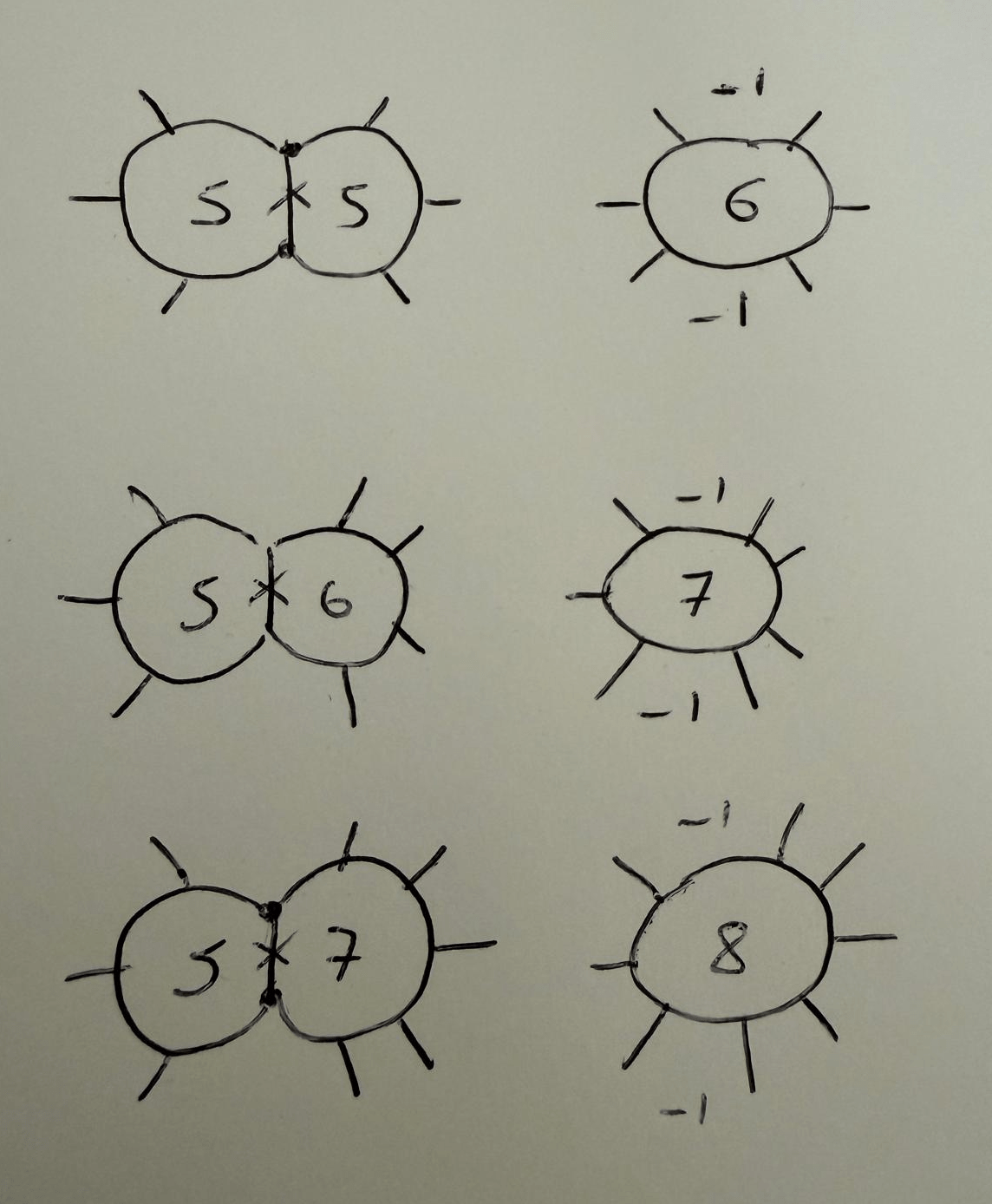
Case F5-F5
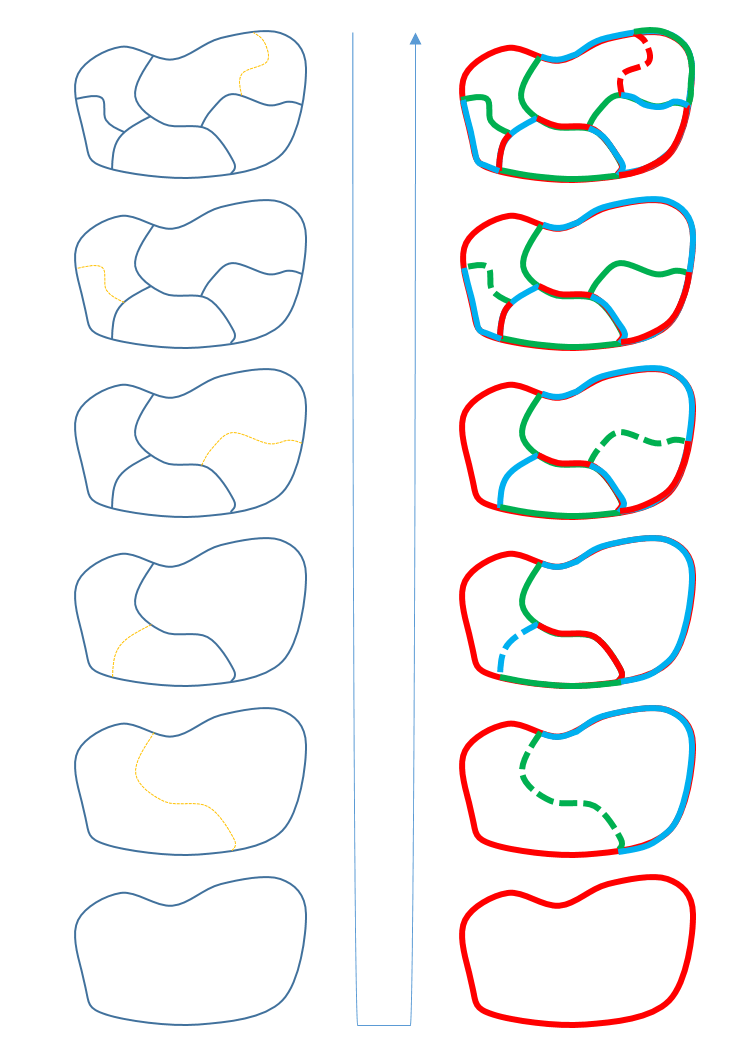
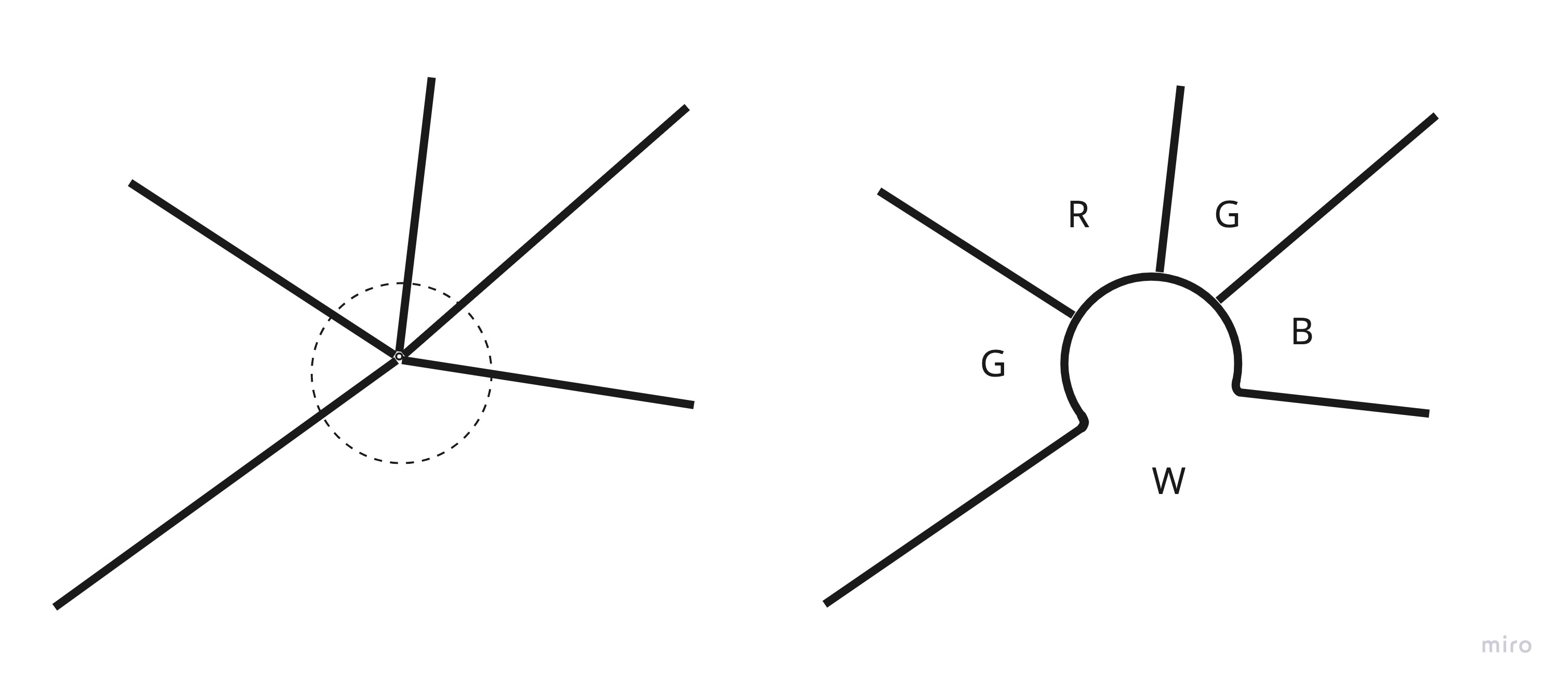
By removing an edge between two F5 faces, you obtain an F6 face. The two adjacent faces that shared the removed vertices each lose one edge. If the two adjacent faces are actually the same face, the number of edges decreases by two.
General case F5-Fn
By removing an edge between an F5 face and a Fn face, you obtain an F(n+1) face. The two adjacent faces that shared the removed vertices each lose one edge. If the two adjacent faces are actually the same face, the number of edges decreases by two.
The problem is that maps on the sphere can exist:
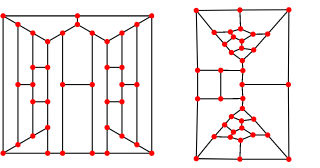
- for sure, without adjacent F5-F5 faces, as in C60 Fullerene and other structures
- theoretically, without adjacent F5-F6 faces, as established in “An Eberhard-like theorem for pentagons and heptagons” by Matt DeVos, Agelos Georgakopoulos, Bojan Mohar, Robert Šámal
- Also check the “Zur morphologie der polyeder” by DR. V. EBERHARD



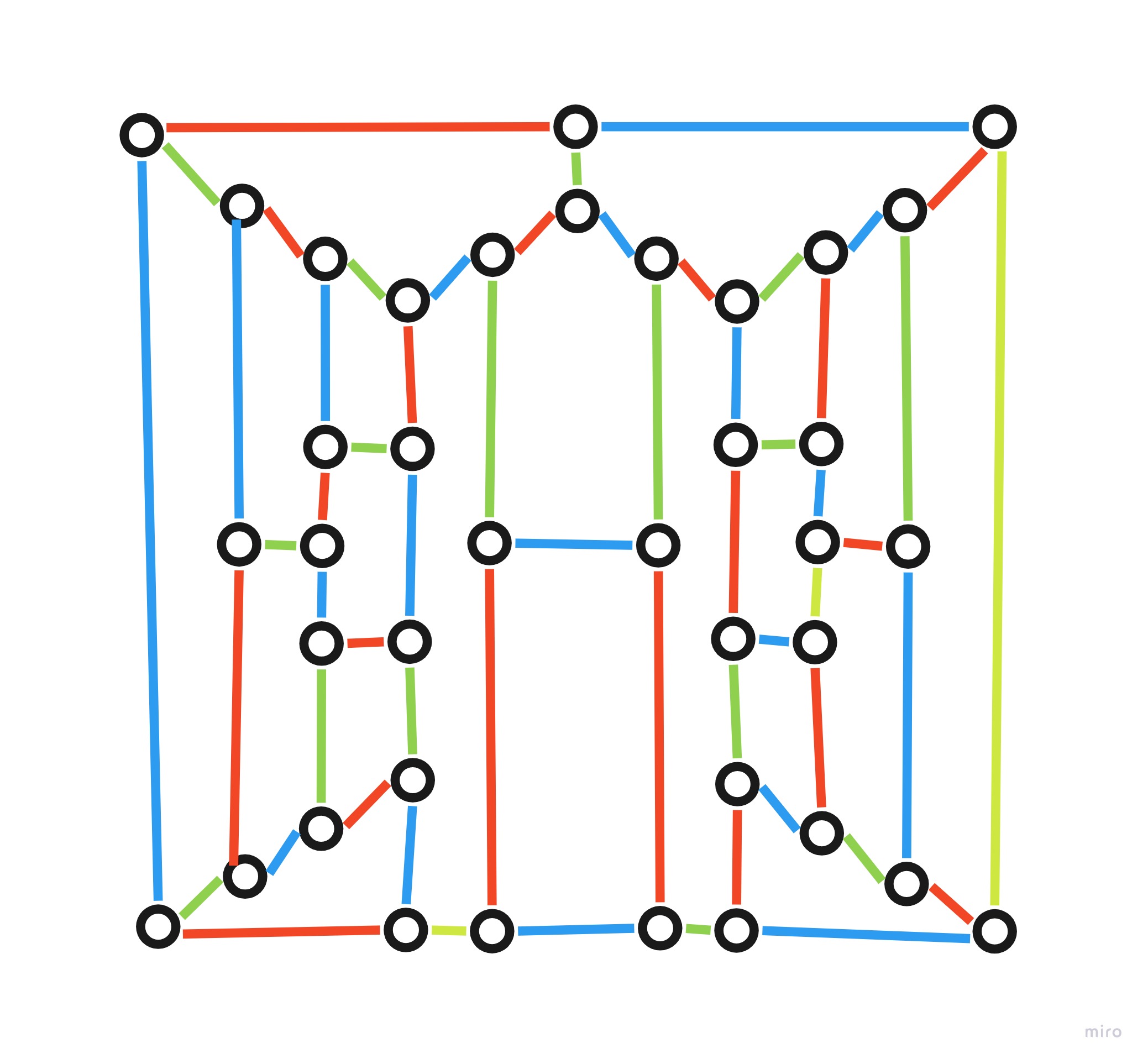
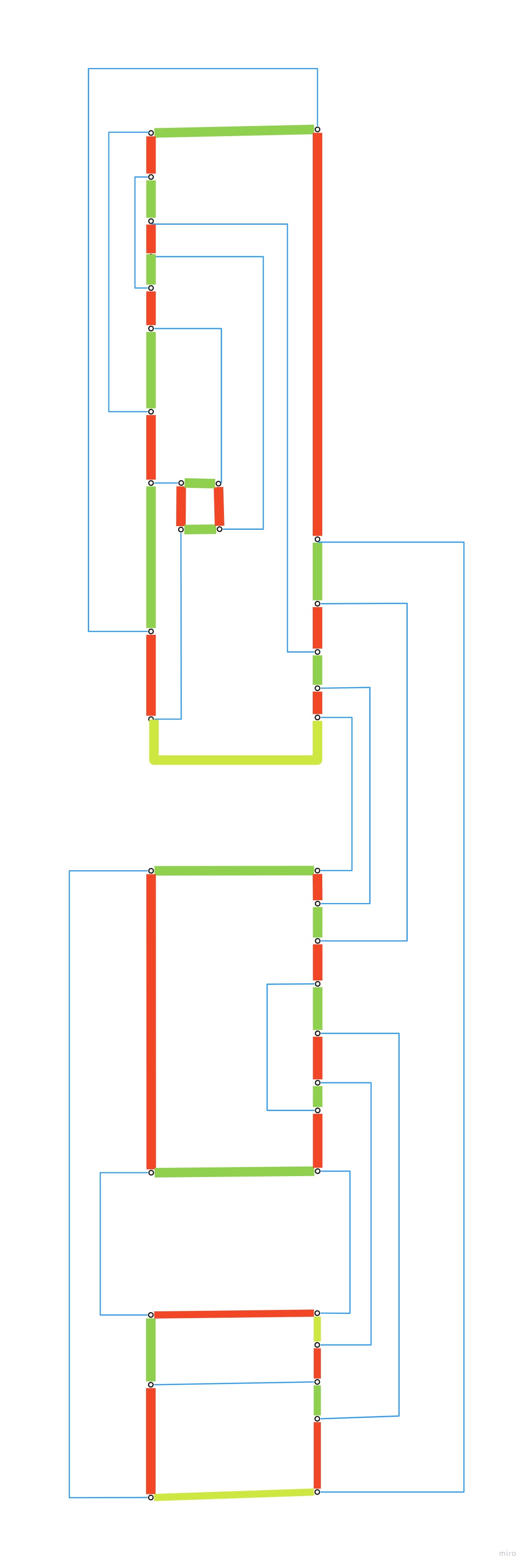
 Four Color Theorem