
After having posted the question on mathoverflow, the answer arrived in a blink of an eye.
Here is the answer from Gordon Royle:
Use Gunnar Brinkmann (University of Ghent) and Brendan McKay (Australian National University)’s program “plantri” …
You will discover that there are:
- 3 on 16 faces (as you said)
- 4 on 17 faces
- 12 on 18 faces
- 23 on 19 faces
- 73 on 20 faces
and then going to Sloane’s online encylopaedia you discover: https://oeis.org/A081621
So in short, the answer to your question is “yes, the sequence is fairly well known”.
From plantri http://cs.anu.edu.au/~bdm/plantri:
3-connected planar triangulations with minimum degree 5 (plantri -m5), and 3-connected planar graphs (convex polytopes) with minimum degree 5 (plantri -pm5).
plantri -pm5uv 12
plantri -pm5uv 13
…
.
nv ne nf | Number of graphs
12 30 20 | 1
13 33 22 | 0
14 36 24 | 1
15 39 26 | 1
16 42 28 | 3
17 45 30 | 4
18 48 32 | 12
19 51 34 | 23
20 54 36 | 73
21 57 38 | 192
22 60 40 | 651
23 63 42 | 2070
24 66 44 | 7290
25 69 46 | 25381
26 72 48 | 91441
27 75 50 | 329824
28 78 52 | 1204737
29 81 54 | 4412031
30 84 56 | 16248772
31 87 58 | 59995535
32 90 60 | 222231424
33 93 62 | 825028656
34 96 64 | 3069993552
35 99 66 | 11446245342
36 102 68 | 42758608761
37 105 70 | 160012226334
38 108 72 | 599822851579
39 111 74 | 2252137171764
40 114 76 | 8469193859271
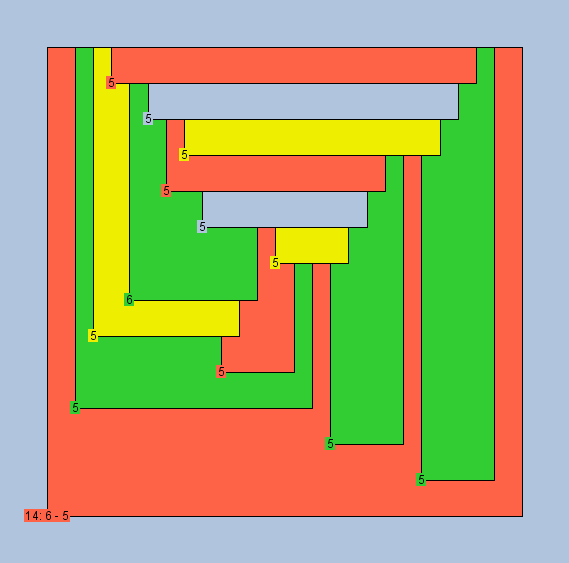
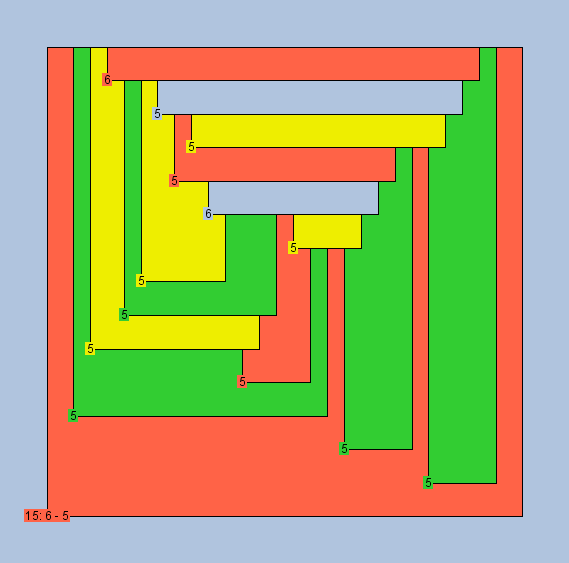
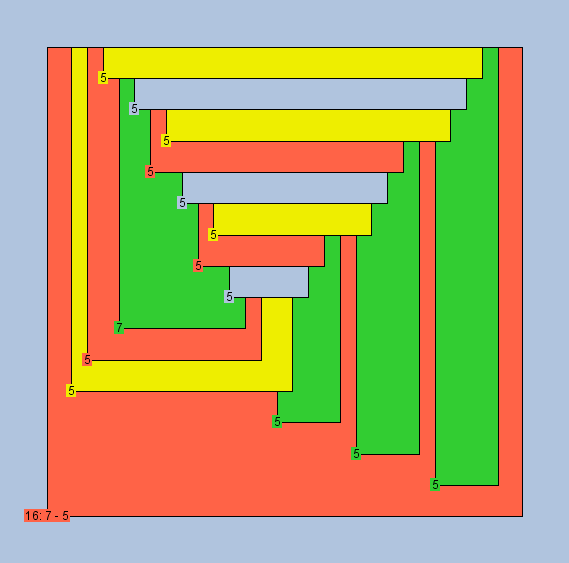
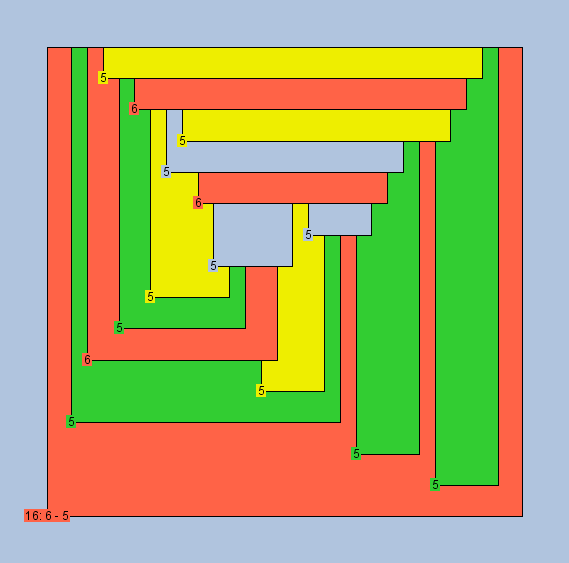
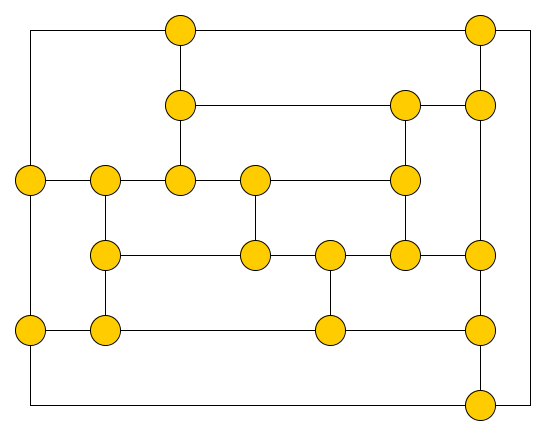
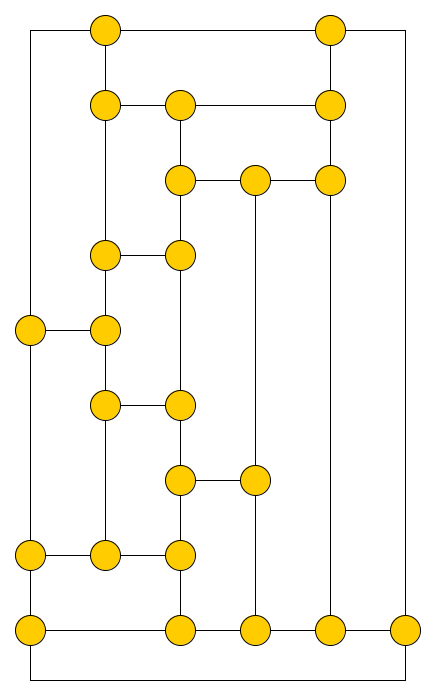
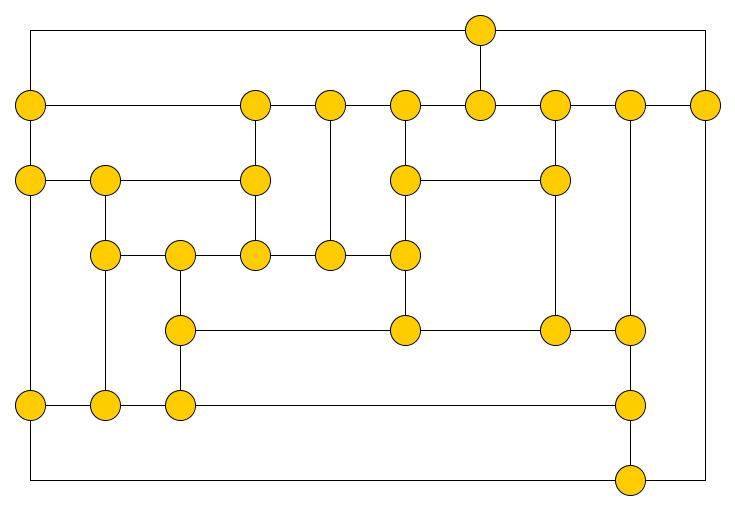
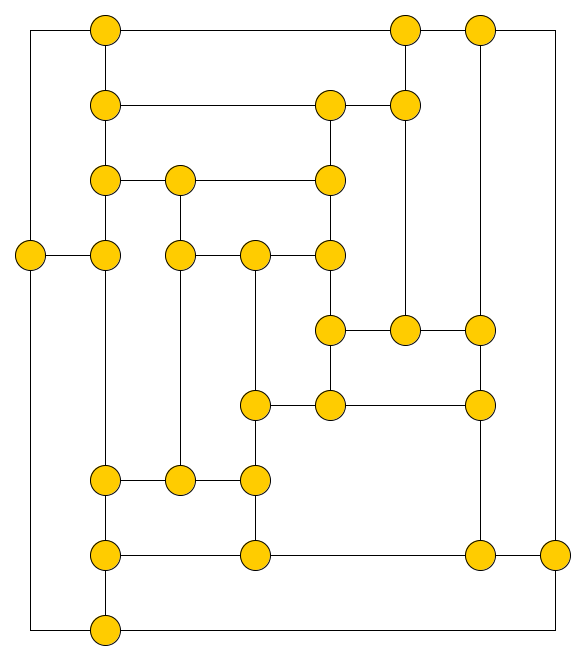
 ), do not actually exist. Using a VF2 algorithm to filter out isomorphic maps, I also noticed that not so many graphs as I expected existed. And that one general category of graphs, that always represents a simplified 3-regular graph, is that of Fullerenes (with 12 faces F5 and an arbitrary number of F6). Here is a list of what I found, so far, for each class of graphs, from 12 faces to 20 faces (surrounding area included).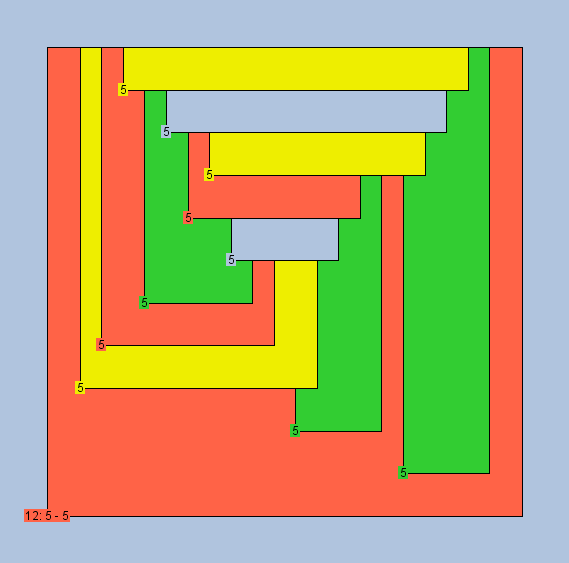



 Four Color Theorem